Tenant Improvement Allowance in Florida: What Every Business Tenant Needs to Know Before Signing a Lease
By Pajaziti & Associates · Licensed Commercial GC, CBC1265699 · Palm Beach County, FL
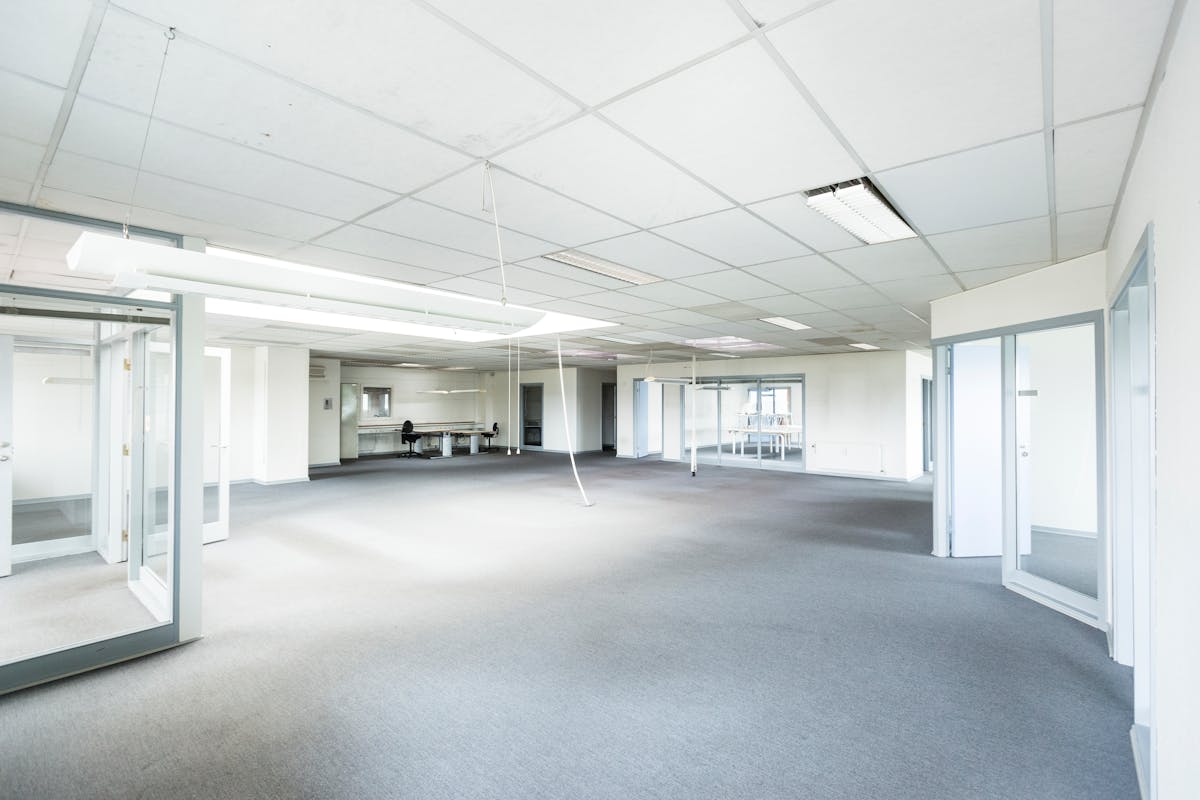
If you're leasing commercial space in Palm Beach County, one of the most valuable — and most misunderstood — parts of your lease negotiation is the Tenant Improvement Allowance (TIA). Getting this right can mean the difference between a build-out that fits your budget and one that drains your cash reserves before you open your doors.
What Is a Tenant Improvement Allowance?
A Tenant Improvement Allowance (also called TI allowance or TIA) is money the landlord agrees to contribute toward building out the space for your use. It's typically expressed as a dollar amount per square foot — for example, "$50 per square foot" on a 2,000 sq ft space means the landlord contributes $100,000 toward construction.
The TI allowance is part of your lease deal. It's negotiable — and most tenants don't negotiate hard enough.
What's a Typical TI Allowance in Palm Beach County?
| Space Type | Typical TI Range ($/sq ft) |
|---|---|
| Office space (Class A) | $50–$100 |
| Retail strip center | $30–$60 |
| Restaurant / food service | $40–$80 |
| Medical office | $60–$120 |
These numbers fluctuate based on market conditions, lease term length, tenant credit, and how motivated the landlord is to fill the space. In a softer market, TI allowances go up. In a tight market with low vacancy (like much of Palm Beach County right now), landlords negotiate harder.
How TI Allowances Work in Practice
There are typically two structures:
1. Landlord Builds Out the Space
The landlord hires a contractor and manages the build-out. You get input but limited control. The risk: landlords are incentivized to use cheap materials and slow contractors. The build-out often doesn't reflect your actual needs. This is common for vanilla shell office spaces.
2. Tenant Builds Out with Landlord Reimbursement
You hire the GC, manage the build-out, and submit invoices for reimbursement up to the allowance amount. This is almost always the better structure for tenants. You control quality, timeline, and design. You choose your contractor. Reimbursements are typically paid after inspections are passed and lien waivers are submitted.
What TI Allowances Typically Cover
Landlords will specify what the TI allowance can be used for. Commonly covered:
- Framing and drywall
- Electrical
- Plumbing
- HVAC
- Flooring
- Ceilings
- Painting
- Permits and fees
Often NOT covered by TI allowances:
- Furniture and fixtures (FF&E)
- Signage
- Equipment (kitchen equipment, medical equipment)
- Technology and cabling (sometimes covered)
- Moving costs
How to Negotiate a Better TI Allowance
Most tenants accept the first number the landlord offers. Don't.
- Get a real construction estimate first. Know what your build-out actually costs before you negotiate. A licensed GC can provide a pre-lease estimate based on your space plan. This gives you hard numbers to negotiate with.
- Negotiate a longer lease for a higher TI. Landlords are more willing to fund build-outs for 5–10 year leases. A 3-year lease gets minimal TI.
- Ask for above-building-standard finishes to be covered. Be specific in the lease about what "building standard" means and what upgrades you need funded.
- Push for an over-allowance loan. If the build-out costs exceed the TI, some landlords will offer an amortized loan at favorable rates rather than lose the tenant.
Why Bringing a GC into Lease Negotiations Matters
At Pajaziti & Associates, we work with tenants before they sign leases. We walk the space, review the landlord's proposed scope, identify hidden costs (HVAC replacement, electrical upgrades, ADA requirements), and give you an honest estimate of what the build-out will actually cost.
That information changes the negotiation. Tenants who know their real build-out cost negotiate TI allowances significantly better than those who sign first and figure it out later.
Signing a Commercial Lease in Palm Beach County?
Talk to us before you sign. A 30-minute walk-through can save you six figures.
Schedule a Pre-Lease Walk-Through